
Food is more than a basic necessity—it is the foundation of a child’s growth, health, learning, and future. Yet for thousands of Filipino children, especially those living and working on the streets, having even one nutritious meal a day remains uncertain. Hunger is not simply about an empty stomach. It quietly shapes how a child’s body grows, how their brain develops, and how they see the world around them.
The good news is that once we understand what is happening, we can do something about it. In this article, we will break down what severe food poverty really means, how it affects Filipino children today, and what programs, including our own here at Childhope Philippines, are doing to help kids get the nutrition they deserve.
What Is Severe Food Poverty?
Severe food poverty is not just another term for hunger. It is a specific, measurable condition. UNICEF defines child food poverty using eight essential food groups: breastmilk, grains and roots, pulses and nuts, dairy, meat and poultry and fish, eggs, vitamin A rich fruits and vegetables, and other fruits and vegetables. A child is considered food poor if they regularly eat from fewer than five of these groups. When a child eats from only two or fewer food groups, they fall into severe food poverty, the most dangerous level of nutritional deprivation.
This matters because a child in this situation is not just missing out on variety. They are missing the proteins, vitamins, and minerals their growing bodies need every single day. Many children in severe food poverty survive mostly on rice, corn, or plain milk, with almost no fruits, vegetables, or protein-rich food in sight.
How Filipino Children Are Affected by Severe Food Poverty
The numbers paint a sobering picture of where things stand in the Philippines right now. According to UNICEF, 1 in 2 Filipino children under five are considered food poor, and 13 percent are living in severe food poverty. That works out to roughly 2 million Filipino children who are surviving on two or fewer food groups a day.
The situation is even harder for children between 6 and 23 months old, the age when babies start eating solid food alongside breastmilk. Only 1 in 5 children in this age group gets the minimum variety of foods they need to grow well. Among the poorest families, that number drops even further, with just 17.8 percent of young children receiving a properly varied diet.
For street children in particular, the risk is even higher. Families living and working on the streets of Metro Manila often have no stable access to food, clean water, or cooking facilities, which makes it nearly impossible to give their children the nutrition they need.
Different Effects of Severe Food Poverty on Children
Severe food poverty does not affect children in just one way. It touches nearly every part of their growth and development, and the effects can last a lifetime.
Poor Physical Growth and Development
The most visible impact of severe food poverty is on a child’s body. Children who lack proper nutrition are up to 50 percent more likely to experience wasting, a dangerous condition where a child is too thin for their height. They are also 34 percent more likely to be stunted, meaning they are too short for their age.
Beyond growth, poor nutrition weakens a child’s immune system. This means they get sick more often, take longer to recover, and are more vulnerable to infections that a well-nourished child could easily fight off.
Weakened Immune System
A nutritious diet helps protect children against illnesses. When children experience prolonged food poverty, their immune systems become compromised, increasing their susceptibility to infections and diseases.
Simple illnesses can quickly become serious when a child lacks the nutrients needed to recover, especially when access to healthcare is also limited.
Cognitive Effects
What many parents and caregivers do not realize is that food poverty affects the brain just as much as the body. A child’s first few years are a critical window for brain development, and without the right nutrients, that development can slow down or stall entirely.
Studies on childhood stunting show clear links to delayed cognitive development, lower attention spans, and weaker memory and learning ability, effects that can carry into the school years and beyond. This is one reason many undernourished children struggle to keep up in school, even when they are just as capable as their peers.
Emotional and Mental Health Challenges
Hunger does not just affect the body and the mind. It affects how a child feels and behaves too. Children experiencing severe food poverty are often more irritable, withdrawn, or easily discouraged. Concentrating on schoolwork or play becomes harder when a child’s body is constantly focused on surviving rather than thriving.
Over time, this can chip away at a child’s confidence and their ability to connect with others, making it harder for them to build the social skills they need to grow into secure, capable adults.
Increased Risk of Child Labor and Exploitation
When families struggle to put food on the table, children are often compelled to help earn income instead of attending school.
Many children in street situations spend their days selling goods, collecting recyclable materials, begging, or performing informal work simply to contribute to household needs. This exposes them to various dangers, including abuse, exploitation, violence, and hazardous working conditions.
Food poverty, therefore, is not only a nutrition issue—it is also a child protection concern.
Long-Term Economic Effects
The effects of severe food poverty on children do not disappear once childhood ends. Adults who experienced malnutrition as children face a higher risk of chronic conditions like diabetes and heart disease later in life. Reduced height and cognitive ability linked to childhood stunting have also been connected to lower productivity and earning potential in adulthood.
Perhaps most troubling, malnutrition tends to repeat itself across generations. Mothers who were malnourished as children are more likely to give birth to underweight babies, continuing the cycle unless something intervenes to break it.
List of Programs Addressing Food Poverty in the Philippines
The good news is that severe food poverty is a solvable problem, and several programs are already working to turn things around.
- Pantawid Pamilyang Pilipino Program (4Ps): A government conditional cash transfer program that helps poor families afford nutritious food while keeping children in school and up to date on health checkups.
- DepEd School-Based Feeding Program: A Department of Education initiative that provides daily meals to undernourished public school students to improve both their health and school attendance.
- National Nutrition Council’s Plan of Action for Nutrition (2023-2028): A national strategy focused on increasing access to healthy, diverse diets for Filipino families, especially the most vulnerable.
- UNICEF Philippines Nutrition Programs: Ongoing support for community-level feeding services, breastfeeding promotion, and climate-resilient food systems for families most at risk.
- NGO-led feeding and outreach programs: Nonprofit organizations across the country, including Childhope Philippines, run community feeding drives and nutrition education programs that reach children the government safety net often cannot.
How Childhope Is Responding to Support Children and Fight Food Poverty
For decades, Childhope Philippines has remained committed to protecting, educating, and empowering children in street situations through programs that address both their immediate needs and long-term development. Guided by our Street Education and Protection (STEP) Program, the organization provides education, healthcare, psychosocial interventions, skills development, and family support to help children break the cycle of poverty.
Recognizing that learning cannot thrive without proper nutrition, Childhope continues to strengthen initiatives that ensure children receive not only education but also the nourishment they deserve.
At Childhope Philippines, we see the effects of severe food poverty up close every day through our work with street children and families in Metro Manila. Here is how we are stepping in.
Kalyenderia: A Mobile Soup Kitchen That Delivers Hope
One of Childhope Philippines’ flagship nutrition initiatives is Kalyenderia, its Mobile Soup Kitchen.
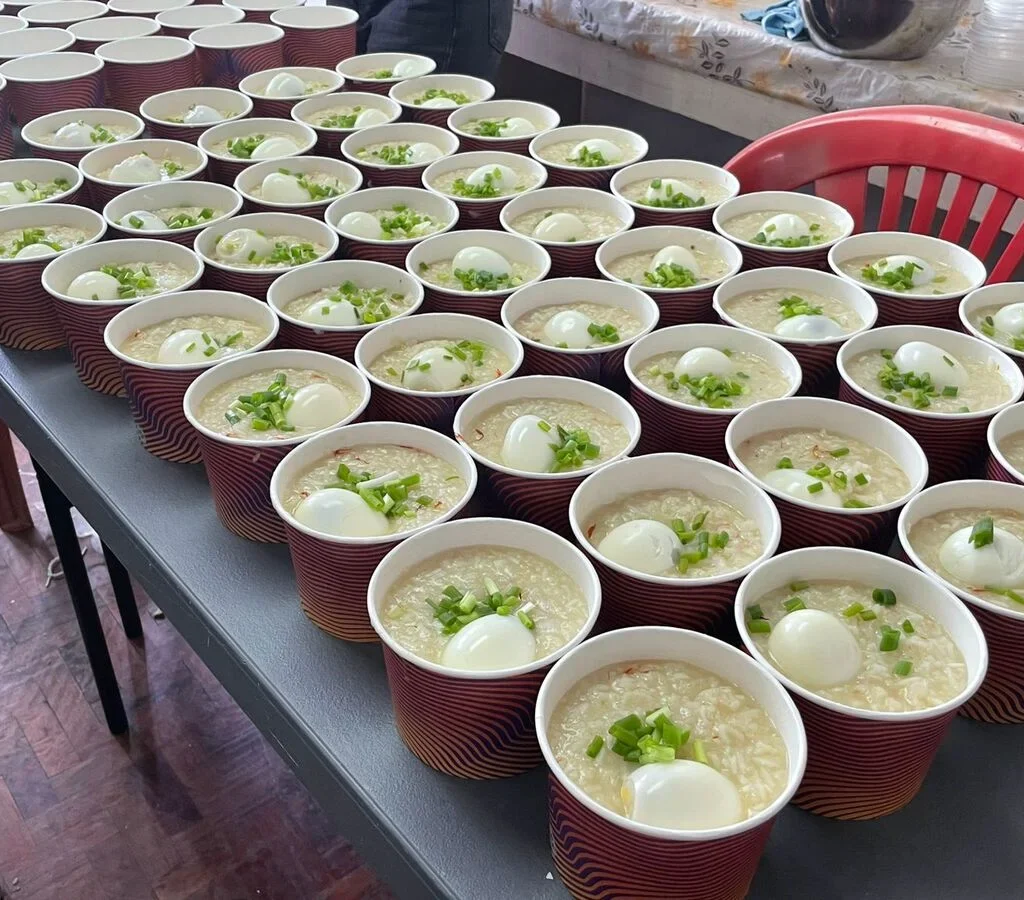
Launched in 2021 in response to increasing food insecurity during the pandemic, Kalyenderia brings freshly prepared, nutritious meals directly to children in street situations and their families across Metro Manila. Today, the program continues to serve vulnerable communities several times each week, helping hundreds of children receive warm, balanced meals that support their health, learning, and overall well-being.
But Kalyenderia is more than a feeding program.
Every meal served represents hope, dignity, and the reassurance that someone cares.
Today, Childhope is inviting individuals, organizations, and communities to become Kalyenderia sponsors.
Give more than a meal—give hope, dignity, and a brighter future.
Every contribution helps provide nutritious meals and essential support to children and families living in vulnerable situations. Together, we can build communities where no child is left hungry and every child has the opportunity to dream, learn, and thrive.
By becoming a Kalyenderia sponsor, you become part of a movement that nourishes not only children’s bodies but also their hopes for a better tomorrow.
Project Bamboo: Building Sustainable Futures Through Livelihood
While addressing immediate hunger is vital, Childhope also recognizes that lasting change requires empowering families to become self-reliant.
Through Project Bamboo, Childhope equips out-of-school youth and young adults with practical vocational, technical, and entrepreneurial skills that can lead to sustainable employment or small business opportunities. The program offers hands-on training in food processing, service skills, entrepreneurship, and various livelihood activities that improve participants’ earning potential.
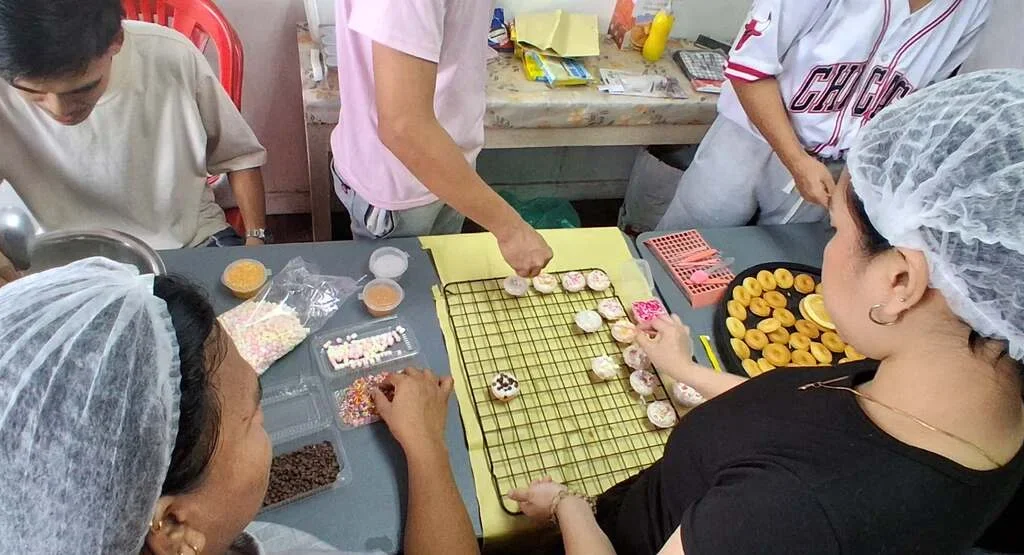
Continuing this commitment, Project Bamboo’s Self-Employment Track recently conducted a Mini Doughnut Making Training on June 6, 2026.
Participants gained practical experience in preparing and producing mini doughnuts while learning essential food preparation techniques, product presentation, and basic entrepreneurship. More than simply teaching a recipe, the activity introduced a livelihood opportunity that participants can use to generate additional income and build sustainable self-employment.
Programs like these demonstrate that fighting food poverty goes beyond providing food today—it also means creating opportunities that help families secure tomorrow.
Standing with Families During Times of Crisis
Natural disasters often worsen food insecurity for already vulnerable communities.
For this reason, Childhope Philippines continues to conduct relief operations for children in street situations and their families whenever calamities strike. Relief distributions provide food packs and other essential supplies to communities affected by emergencies across Metro Manila, ensuring that children continue to receive support even during the most difficult times.
These efforts reflect Childhope’s enduring commitment to protecting the dignity, welfare, and rights of children who face the greatest risks during disasters. Through the generosity of donors, volunteers, and partner organizations, Childhope remains ready to respond wherever help is needed, reaffirming that no child should be forgotten during times of crisis.
Together, We Can Help End Food Poverty Among Children
The effects of severe food poverty on children reach far beyond hunger. They influence health, education, emotional well-being, safety, and future opportunities. But these challenges are not impossible to overcome.
Every nutritious meal served, every livelihood skill taught, every relief pack delivered, and every child supported represents another step toward breaking the cycle of poverty.
You can be part of that change.
Donate to Childhope Philippines to help fund our feeding programs, or volunteer with us to give your time directly to the children who need it most.
Together, let’s ensure that no child goes hungry, every child has the opportunity to learn, and every child can look forward to a brighter tomorrow. Be their hope today!